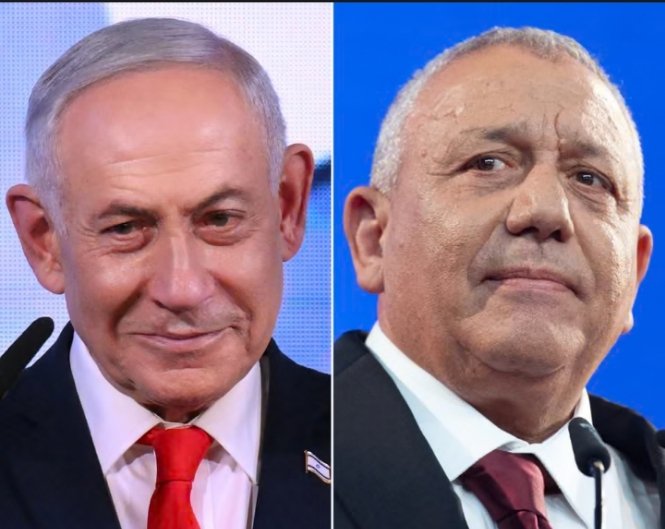
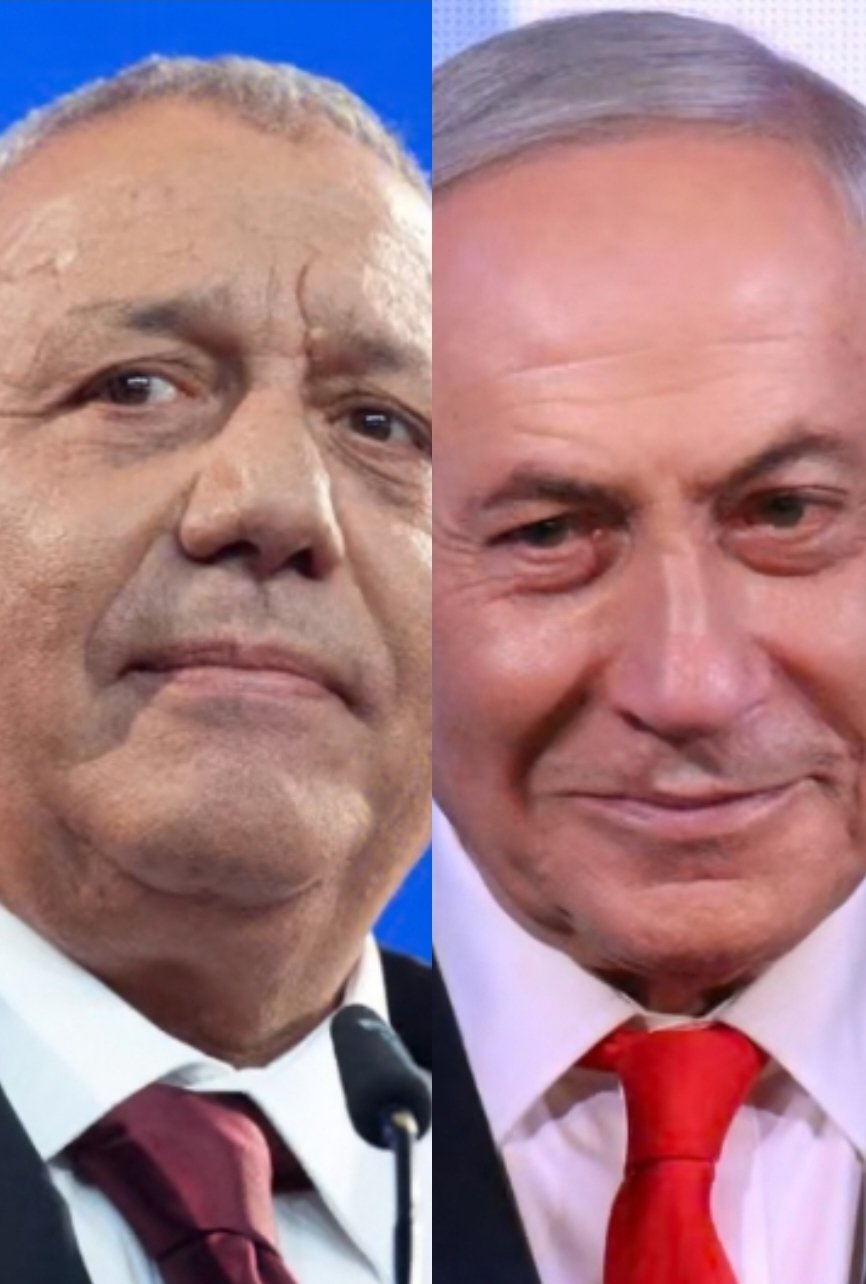
Israeli opposition leader Gadi Eisenkot has called on Prime Minister Benjamin Netanyahu to leave political life, declaring that voters have delivered a vote of no confidence in his leadership.
Eisenkot made the demand after polls closed, citing exit polls that suggested his political bloc had gained an advantage over Netanyahu’s coalition, although neither side appeared close to securing a parliamentary majority.
“Accept the people’s vote of no confidence,” Eisenkot urged Netanyahu, insisting that Israelis had voted for political change.
Speaking at the headquarters of his Yashar party, he cautioned that exit polls were not final results but argued that Netanyahu faced a stronger opposition.
“Tonight Netanyahu faces a larger and stronger Zionist, responsible majority,” he said.
Eisenkot also rejected the prospect of another election, describing it as a mistake given the high voter turnout.
He pledged to form a Zionist government focused on universal military service, dismantling Hamas and ensuring that different sections of Israeli society were respected.
However, his proposed political arrangement excludes Arab parties, which he has ruled out negotiating with or relying on to form a government.
This position complicates coalition-building, as Arab parties are projected to secure a record 18 seats, according to the exit polls.
The projections put Netanyahu’s bloc at approximately 50 seats, compared with 52 for Eisenkot’s bloc. Neither grouping is close to the 61 seats required for a parliamentary majority.
Despite the opposition’s projected advantage, Netanyahu’s Likud party is expected to remain the largest single party, leaving the final outcome dependent on coalition negotiations and the distribution of seats.
Eisenkot also called on Israel’s security establishment and public service officials to prioritise the interests of the state and its citizens over political considerations.
“They must serve the state and the interests of Israeli citizens alone,” he said, adding that “the era of evasion, failure and lies is over.”
The election projections suggest a deeply divided political landscape, with neither major bloc positioned to govern independently.
The exclusion of Arab parties from Eisenkot’s coalition calculations could further complicate efforts to assemble the 61-seat majority needed to form a government.
Nevertheless, exit polls remain provisional, and the final results will determine whether Netanyahu can retain power or the opposition can assemble a viable governing coalition.
Until the official results are announced and coalition negotiations conclude, the future of Israel’s government remains uncertain.