By Samuel Abasiekong-Abasiekong
Global conflicts, threatened shipping routes, rising energy costs and mounting food insecurity are exposing the weaknesses of the international economic system. For Africa, and particularly Nigeria, the danger lies in how these pressures could combine to deepen poverty, undermine economic stability and intensify social unrest.
The world is confronting a dangerous convergence of geopolitical conflicts, energy-market uncertainty, food insecurity, economic hardship and political instability. From the Middle East to Europe and Africa, developments in one region increasingly have consequences for countries thousands of kilometres away.
The central concern is not simply the number of crises occurring simultaneously. It is the growing possibility that these emergencies could reinforce one another, disrupting international trade, increasing the cost of essential commodities and placing additional pressure on already vulnerable populations.
Wars can threaten oil production and shipping routes. Energy shortages can increase transportation and agricultural costs. Higher production costs can push up food prices, while declining purchasing power can fuel public dissatisfaction, industrial action and political instability.
These interconnected risks raise a fundamental question: is the world approaching a prolonged crisis in which energy insecurity, armed conflicts, food shortages and economic hardship combine to overwhelm the capacity of governments to protect their citizens?
Although a worldwide economic and social collapse is not inevitable, the consequences of prolonged disruption could be severe. Africa’s vulnerability is particularly concerning because many countries on the continent have limited financial resources, substantial infrastructure deficits and significant dependence on imported fuel, fertiliser, machinery and food.
Nigeria occupies a complicated position. It is a major crude-oil producer, yet its economy remains exposed to international energy prices, exchange-rate pressures, domestic refining and distribution costs, insecurity and persistent food-affordability challenges.
The unfolding situation therefore demands urgent attention, credible information and coordinated responses from governments, international institutions and the private sector.
1. THE GLOBAL ENERGY SHOCK: WHEN FUEL DISRUPTION THREATENS EVERYDAY LIFE
Energy is the foundation of modern economic activity. It powers factories, moves goods, supports agriculture, enables aviation and sustains electricity generation. When fuel supplies become expensive or unreliable, the effects can spread across nearly every sector of the economy.
Recent reports of fuel-related industrial action and distribution difficulties in Europe illustrate the risks associated with rising energy costs and vulnerable transport networks.
In southern Italy, reported protests by truck drivers over diesel costs have highlighted the connection between fuel prices and the availability of essential goods. Disruptions to deliveries can affect supermarkets, wholesalers, food processors and other businesses that depend on road transport.
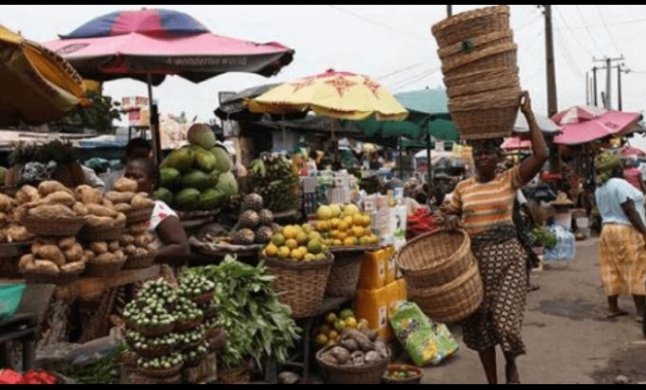
The consequences can be particularly serious for perishable foods, including meat, dairy products,
fruit and vegetables. These commodities must move efficiently from farms and processing facilities to distribution centres and retail outlets.
When deliveries are interrupted, businesses may experience temporary shortages even when food remains available elsewhere in the supply chain.
The wider lesson is that a country does not necessarily need to run out of fuel before experiencing a serious economic disruption. Fuel can remain available while becoming too expensive for transport operators and small businesses to use profitably.
For households, the consequences include higher transport fares, increased food prices and additional pressure on already stretched incomes.
SWITZERLAND’S AVIATION-FUEL WARNING
Switzerland has also illustrated how logistical problems can threaten the availability of essential energy supplies.
Reports concerning the release of aviation fuel from strategic reserves to protect supplies at Zurich Airport demonstrate the importance of maintaining adequate stocks and reliable distribution networks.
An interruption in rail freight, congestion along alternative routes or difficulties moving fuel from storage facilities can create localised shortages even when national reserves have not been exhausted.
This distinction matters because claims of a nationwide fuel shortage are not the same as evidence of a supply bottleneck affecting a particular airport or distribution centre.
Strategic reserves can provide a temporary buffer during emergencies. However, their effectiveness depends on adequate stock levels, functioning transport infrastructure and clear procedures for releasing supplies.
For countries without sufficient reserves or alternative transport routes, similar disruptions could have more serious consequences.
2. THE MIDDLE EAST: THE EPICENTRE OF GLOBAL ENERGY INSECURITY
The Middle East has become one of the most consequential theatres of the global crisis because of its concentration of energy infrastructure, strategic waterways and competing military interests.
The ongoing conflict involving Iran, the United States, Israel and regional actors has heightened concerns about oil supplies, commercial shipping and the safety of critical infrastructure.
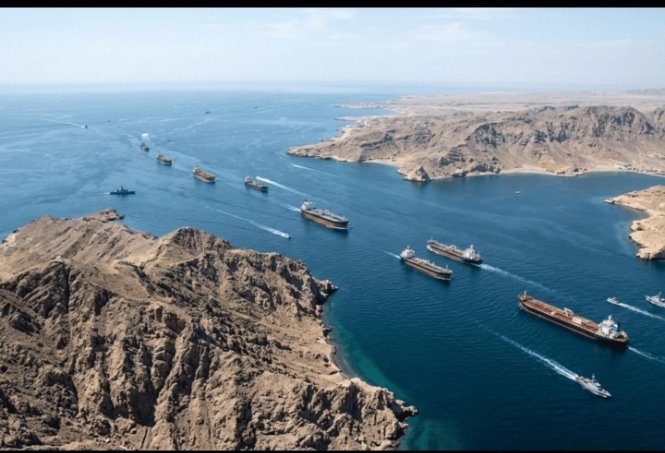
The Strait of Hormuz is particularly important. The narrow waterway connects the Persian Gulf with international shipping routes and is a major passage for crude oil, petroleum products and liquefied natural gas.
Any sustained interruption can affect countries that rely on Gulf energy exports, even when their own territories are thousands of kilometres away from the fighting.
According to a Reuters report published on October 23, 2026, attacks on commercial vessels in the Strait of Hormuz and surrounding waters reached record levels for October. The report cited 28 confirmed and reported attacks during the month, with 113 incidents recorded since the wider conflict began in late February.
The International Maritime Organization had recorded 120 incidents across the Strait and the wider Middle East, according to the same report.
These figures underscore the growing danger to international shipping. However, the scale, circumstances and attribution of individual incidents must be assessed using reliable evidence rather than unverified claims.
SAUDI ARABIA’S ENERGY INFRASTRUCTURE UNDER THREAT
Saudi Arabia’s position as a major oil producer makes threats to its infrastructure especially significant.
On October 22, reports of attacks involving Saudi targets, including oil infrastructure and an airport, heightened concerns about the security of energy production and regional transportation. Yemen’s Houthi movement claimed responsibility for some attacks, although the details of individual incidents require careful attribution.
Saudi Arabia has invested in alternative routes, including its East-West pipeline, which can transport crude oil towards the Red Sea and reduce dependence on the Strait of Hormuz for some exports.
According to the Associated Press, Saudi Aramco’s chief executive said the pipeline’s capacity had increased from two million to seven million barrels per day to help maintain exports.
Such alternatives are important, but they cannot eliminate every consequence of a regional conflict. Pipelines, export terminals, refineries and ports remain exposed to operational constraints and security risks.
The danger also extends beyond physical damage. When traders anticipate further attacks, oil prices can rise before any substantial reduction in global production occurs.
OIL PRICES SURGE AS FEARS OF SHORTAGES INTENSIFY
Brent crude · October 23, 2026
$116.72 per barrel at settlement
US WTI crude · October 23, 2026
$103.27 per barrel at settlement
Source: Reuters, October 23, 2026.
International crude prices rose sharply on Friday, October 23, as escalating attacks and concerns about supply disruptions unsettled energy markets.
Reuters reported that Brent crude settled at $116.72 per barrel, while US West Texas Intermediate closed at $103.27. The gains reflected heightened concerns about the Middle East conflict, shipping insecurity and the possibility of further disruption to petroleum supplies.
These figures represent a snapshot of a volatile market, not a guarantee that prices will continue rising.
Nevertheless, sustained high prices would place additional pressure on fuel-importing economies, increase transport costs and complicate efforts by central banks to control inflation.
For oil-exporting countries, higher prices can increase potential revenue. But the benefits depend on production levels, export volumes, government revenue arrangements and the cost of supplying domestic markets.
This distinction is particularly important for Nigeria, where higher international crude prices can coexist with rising living costs.
3. HOW AN ENERGY CRISIS CAN BECOME A GLOBAL FOOD CRISIS
Food security is one of the most serious potential casualties of prolonged energy and shipping disruptions.
Agriculture depends on diesel-powered machinery, irrigation, fertiliser, processing facilities, refrigeration and transportation. Each stage can become more expensive when energy supplies are disrupted or prices rise sharply.
Fertiliser is a particularly important link. Natural gas is a major feedstock for nitrogen-based fertiliser production, while petroleum products and other energy sources are used throughout the wider agricultural supply chain.
The Food and Agriculture Organization of the United Nations has warned that the 2026 Middle East conflict is increasing risks to international energy, fertiliser and food systems. Disruptions around the Strait of Hormuz threaten important commodity flows, while higher input costs could affect crop production and food affordability.
The consequences can extend well beyond the duration of the initial conflict.
If farmers cannot obtain fertiliser at affordable prices or receive supplies before planting, they may reduce the amount applied to their crops, cultivate less land or switch to less input-intensive production.
Lower yields can then affect food availability months later, long after the initial energy-price shock has begun to ease.
Higher freight costs can compound the problem by making imported grain and other essential commodities more expensive.
WHY THE POOREST HOUSEHOLDS FACE THE GREATEST DANGER
Food-price increases affect households differently.
Higher-income families may absorb additional expenses by reducing discretionary spending. Low-income households often have far less flexibility because food, transport and energy already consume a large share of their earnings.
When prices rise faster than incomes, families may reduce meal sizes, buy less nutritious food, borrow money or sacrifice other essential expenses.
Children, older people, displaced populations and households dependent on humanitarian assistance can be particularly vulnerable.
The World Food Programme has warned that disruption to major trade routes, including those through the Strait of Hormuz, the Red Sea and the Black Sea, threatens the movement of food, fuel and fertiliser. Such disruptions can raise prices and undermine access to essential goods.
The danger is particularly acute when several shocks occur simultaneously: conflict reduces agricultural production, fuel becomes more expensive, transport networks are disrupted and governments lack the resources to provide adequate assistance.
Under those circumstances, a temporary international supply problem can deepen an existing humanitarian emergency.
FOOD INSECURITY IS NOT SIMPLY A SHORTAGE OF FOOD
Food insecurity can exist even when markets and shops still have food available.
The central problem may be that households cannot afford what is being sold, that insecurity prevents farmers from reaching their fields, or that transportation costs make supplies prohibitively expensive in particular locations.
This distinction matters for policy.
Increasing food production is essential, but production targets alone will not guarantee that vulnerable families can obtain adequate nutrition.
Governments must also address household incomes, market access, storage, transport, insecurity and the distribution of food from surplus areas to deficit regions.
4. EUROPE’S ECONOMIC PRESSURES: FROM FUEL COSTS TO SOCIAL UNREST
Europe’s economic and political tensions reflect several overlapping problems, including living costs, housing affordability, labour disputes, public services and concerns about government accountability.
Rising fuel costs can intensify these pressures by increasing the price of transportation, food distribution, manufacturing and household energy.
However, demonstrations in different countries should not be treated as evidence of one coordinated continental uprising. Each movement has its own political background and immediate causes.
Italy’s reported truck-driver protests illustrate how industrial action can disrupt essential deliveries when transport operators believe operating costs have become unsustainable.
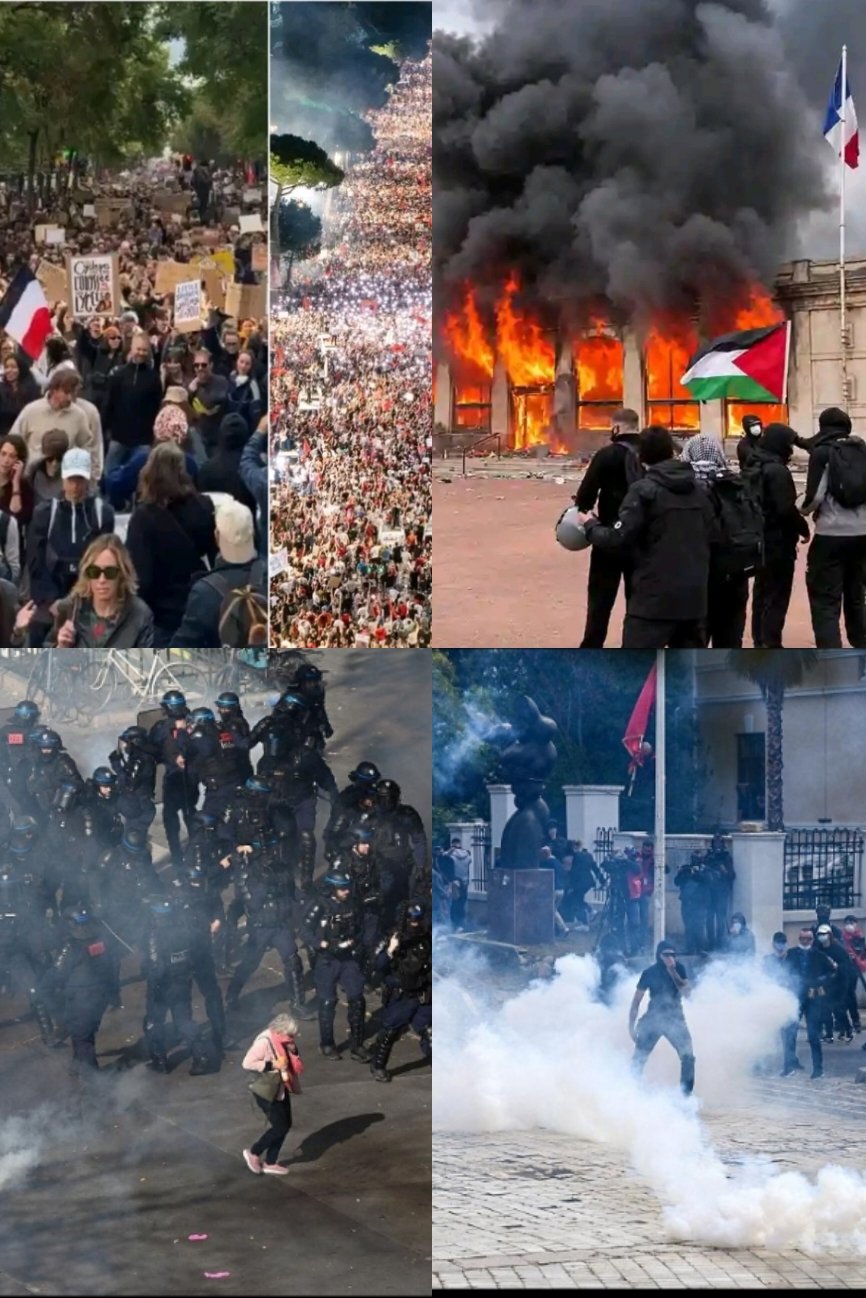
France has experienced its own political and social tensions, while housing affordability and labour-related disputes have featured in public demonstrations elsewhere in Europe.
The broader lesson is that economic hardship can become a political problem when people believe their incomes are falling behind the cost of living or that governments are failing to respond adequately.
WHY GOVERNMENTS SHOULD BE CONCERNED
When households face repeated increases in essential expenses, public frustration can intensify.
Workers may demand higher wages, transport operators may increase fares, businesses may pass on higher costs, and governments may face calls for subsidies or tax relief.
These responses can create further complications.
Higher wages can help households recover lost purchasing power, but businesses struggling with rising costs may find increases difficult to sustain. Broad subsidies can provide immediate relief but may become expensive for governments, particularly those already burdened by debt.
The challenge is to protect vulnerable populations without creating unsustainable public spending or distorting markets in ways that worsen shortages.
Britain and the television-licence controversy
Claims about a proposed British television-licensing change should also be distinguished from established policy.
The question of how to fund public-service broadcasting, including the BBC, has been debated in the United Kingdom. However, a review of the television-licence system does not establish that the government has decided to charge everyone simply for watching YouTube or Netflix.
The issue illustrates a wider problem in times of uncertainty: unverified claims can spread rapidly and create a misleading picture of national or global conditions.
Journalists must distinguish proposed policies from enacted laws, localised shortages from nationwide supply failures, and reported incidents from independently confirmed events.
Accurate information is essential not only for public understanding but also for preventing panic-buying and other behaviour that can aggravate genuine supply difficulties.
5. WARS AND THE WIDENING GLOBAL SECURITY CRISIS
The global threat extends beyond energy and food. Armed conflicts are placing pressure on commercial shipping, civilian infrastructure, public finances and international diplomacy.
The war involving Iran and the United States and Israel has intensified concerns about Gulf shipping and regional energy facilities. Meanwhile, Russia’s war against Ukraine continues to shape European security calculations and the movement of commodities through the Black Sea region.
Conflicts in other parts of the world, including Sudan, continue to generate displacement, humanitarian needs and economic disruption.
These conflicts have different origins and cannot be reduced to one common cause. Their effects, however, can overlap through energy markets, shipping insurance, military spending, trade restrictions and competition for international assistance.
When commercial vessels are attacked or important transport routes become unsafe, shipping companies may reroute cargoes, charge higher freight rates or delay operations.
Businesses then face additional costs and uncertainty. Governments must also devote resources to protecting infrastructure and responding to humanitarian needs.
CAN THE INTERNATIONAL SYSTEM CONTAIN THE CRISIS
The United Nations, regional organisations and individual governments face the challenge of preventing localised conflicts from escalating into wider confrontations.
Diplomacy remains essential because military escalation can create consequences that extend well beyond the original battlefield.
The international community must also protect civilian populations and ensure that humanitarian assistance can reach people affected by conflict.
For Africa, the implications are especially significant. Many governments must respond to domestic insecurity while managing limited budgets, infrastructure deficits and dependence on international trade.
The lesson is not that international cooperation has become irrelevant. Rather, countries need stronger domestic resilience alongside effective international partnerships.
No government can assume that foreign partners will always be able to protect its commercial interests or intervene quickly enough to prevent economic damage.
6. NIGERIA: AN OIL PRODUCER INCREASINGLY EXPOSED TO GLOBAL SHOCKS
Nigeria occupies a paradoxical position in the unfolding international crisis. It produces crude oil and has substantial natural resources, yet millions of its citizens remain vulnerable to fluctuations in global energy markets.
The country can potentially earn more from crude exports when international prices rise. However, those gains do not automatically translate into lower petrol prices, cheaper food, improved electricity supply or higher household incomes.
The outcome depends on oil production, export performance, exchange rates, public revenue management, domestic refining costs and the effectiveness of government policies.
RISING OIL PRICES AND THE NIGERIAN COST OF LIVING
The transmission of international energy shocks into Nigeria’s economy can be rapid.
Higher petroleum prices increase the operating expenses of transport companies, manufacturers, farmers, food distributors and businesses that depend on generators for electricity.
Commercial transport operators may increase fares. Food distributors may charge more to move produce from rural communities to urban markets. Manufacturers may pass higher energy and logistics costs on to consumers.
These increases can reduce the purchasing power of workers and households whose incomes do not rise at the same rate.
The consequences are particularly severe for low-income families, informal-sector workers and small businesses with limited access to affordable credit.
The central issue is therefore not simply the price of crude oil. It is how international energy prices interact with domestic production, refining, transport, taxation, currency movements and household incomes.
FEDERAL GOVERNMENT INTRODUCES TEMPORARY FUEL-PRICE RELIEF
The Nigerian government acknowledged the pressure on households and businesses in October 2026.
On October 8, the Presidency announced that Nigerian National Petroleum Company Limited (NNPCL) would temporarily forgo its petrol retail profit margin and sell fuel at cost for 30 days as part of a package intended to cushion the impact of international crude-price volatility.
The government also outlined additional measures involving compressed natural gas, support for vulnerable households and businesses, and efforts to improve logistics and reduce fuel-price volatility.
The intervention was designed to provide temporary relief without reinstating the blanket petrol subsidy removed in May 2023.
Its effectiveness will depend on how consistently the measures are implemented, how many consumers benefit and what happens when the temporary arrangement ends.
A limited retail-price intervention cannot independently resolve the structural problems associated with electricity generation, transportation, exchange-rate movements and agricultural distribution.
The proposed development of strategic fuel reserves could also improve Nigeria’s resilience if accompanied by adequate funding, transparent management, reliable storage infrastructure and clear rules governing emergency releases.
NIGERIA’S FOOD-SECURITY CHALLENGE PREDATES THE LATEST SHOCK
Nigeria was already confronting substantial food-security difficulties before the latest international energy disruptions.
The Famine Early Warning Systems Network’s September 2026 update reported that conflict, high input costs, fuel expenses and weather-related challenges were affecting agricultural production and household purchasing power.
The assessment warned that insecurity was restricting access to farmland in parts of northern Nigeria, while elevated fuel and transport costs continued to constrain food access. Staple food prices remained above their five-year average despite seasonal improvements associated with harvest supplies.
This creates a dangerous combination.
Farmers in insecure communities may be unable to cultivate their land or transport their harvests safely. Those who continue farming must contend with higher production and distribution costs.
Traders then pass some of these expenses on to consumers, while households with limited incomes struggle to purchase sufficient food.
Even when seasonal harvests improve availability, affordability can remain a serious problem.
THE DANGER FACING NIGERIAN FARMERS
A prolonged energy crisis could increase the cost of fertiliser, diesel, irrigation, seeds, machinery maintenance and transportation.
Smallholder farmers are particularly vulnerable because many have limited working capital and cannot easily absorb increases in production costs.
If inputs become unaffordable, farmers may reduce their use of fertiliser, cultivate smaller areas or postpone investments in their farms.
These decisions can affect yields, household earnings and food supplies in subsequent seasons.
Nigeria’s response must therefore extend beyond announcing ambitious agricultural production targets.
It requires improved rural roads, access to affordable credit, better storage facilities, reliable irrigation, stronger security in farming communities and efficient links between producers and markets.
Domestic refining and fertiliser production can reduce exposure to some international supply disruptions. They cannot, by themselves, eliminate the effects of global crude prices, domestic transport costs or insecurity.
For Nigeria, the strategic objective should be to build an agricultural and energy system capable of absorbing external shocks without transferring their full cost to households.
7. AFRICA’S GROWING VULNERABILITY: THE CRISIS BEYOND NIGERIA
Africa’s exposure to the global crisis is not uniform. Oil-exporting countries, petroleum importers, food-producing economies and nations dependent on imported staples face different risks.
Nevertheless, many African economies share vulnerabilities that could magnify the effects of prolonged international disruption.
These include limited fiscal resources, high borrowing costs, inadequate transport infrastructure, unreliable electricity, weak household purchasing power and dependence on imported essential commodities.
When international fuel prices rise, countries that rely heavily on imported petroleum products face higher import bills. If their currencies weaken simultaneously, the local cost can rise even further.
The same applies to fertiliser, agricultural machinery, pharmaceutical products and food imports.
EAST AFRICA AND THE HORN OF AFRICA
Countries affected by drought, displacement or conflict may struggle to absorb higher food and transportation costs.
Households already dependent on humanitarian assistance have limited capacity to withstand another shock. Higher international prices can also increase the cost of aid delivery, making limited assistance budgets less effective.
NORTH AFRICA
Countries that import substantial quantities of food or energy may face additional pressure on foreign-exchange reserves and public finances.
Governments that subsidise essential commodities could encounter difficult choices between maintaining affordable prices and controlling budget deficits.
WEST AND CENTRAL AFRICA
In West and Central Africa, the effects of higher transport costs can be particularly damaging where roads are poor, electricity is unreliable and rural producers struggle to reach markets.
Insecurity in agricultural areas adds another layer of risk. Even where food is produced, farmers may be unable to harvest or distribute it safely.
Nigeria’s experience is relevant to neighbouring countries because disruptions to regional trade, transport corridors and agricultural supply chains can affect several markets simultaneously.
WHY AFRICA NEEDS A COORDINATED RESPONSE
The continent cannot depend entirely on international markets to supply every essential commodity during a prolonged global emergency.
African governments should strengthen regional food trade, improve cross-border transport, support local fertiliser production where economically viable and develop reliable systems for monitoring commodity supplies.
Strategic reserves of fuel, food and essential agricultural inputs could also help countries respond to temporary disruptions.
Regional institutions can play a stronger role in coordinating emergency supplies, sharing market information and reducing unnecessary trade barriers during periods of acute shortage.
Renewable energy and more reliable electricity systems would further reduce dependence on expensive diesel-powered generation, although the transition requires investment, planning and appropriate infrastructure.
The broader objective is to make African economies less vulnerable to decisions, conflicts and supply disruptions beyond their control.
8. THE DOMINO EFFECT: HOW SEPARATE CRISES COULD COMBINE
The danger of the current situation lies in the interaction between energy, food, transportation, security and household incomes.
01
Armed conflicts escalate
Attacks threaten oil installations, commercial vessels and strategic shipping routes.
02
Energy and freight costs rise
Oil prices, insurance premiums and shipping expenses increase.
03
Production becomes more expensive
Farmers, manufacturers, airlines and transport operators face higher costs.
04
Food prices and inflation increase
Households lose purchasing power as essential goods become more expensive.
05
Social and political pressures intensify
Public frustration, industrial action and demands for government intervention may grow.
This sequence is a plausible risk scenario, not a prediction that every stage will necessarily occur.
The severity of the outcome depends on the duration of hostilities, the availability of alternative supplies, government responses, market adjustments and the effectiveness of international diplomacy.
Nevertheless, the mechanism is clear.
An interruption to shipping can increase fuel costs. Higher energy prices can raise the cost of producing and transporting food. More expensive food can reduce household consumption. Falling purchasing power can then increase social and political pressure.
In countries already experiencing insecurity, unemployment or economic hardship, these pressures may aggravate existing tensions.
The process can also be interrupted. Diplomatic agreements, restored shipping access, targeted assistance, adequate reserves and improved logistics can reduce the effects before they develop into a wider emergency.
That is why early intervention matters.
9. WHAT GOVERNMENTS MUST DO TO PREVENT A DEEPER GLOBAL CRISIS
The international response must address immediate threats while reducing the structural weaknesses that make countries vulnerable.
First, protect international shipping. Diplomatic efforts to reduce hostilities and restore safe passage through strategic waterways are essential. Sustained disruption to the Strait of Hormuz, Red Sea or Black Sea could increase the cost of energy, food and fertiliser across multiple continents.
Second, strengthen strategic reserves. Governments should assess their fuel, food and agricultural-input stocks, maintain transparent inventories and establish clear procedures for emergency releases.
Third, protect vulnerable households. Targeted cash transfers, food assistance and transport support can help families withstand temporary price shocks. Programmes should be transparent, adequately funded and designed to reach those most in need.
Fourth, safeguard agricultural production. Farmers need affordable inputs, credit, irrigation, storage, secure farmland and dependable routes to market. Assistance must arrive early enough to protect planting and harvesting cycles.
Fifth, diversify energy supplies. Governments should strengthen electricity networks, develop viable renewable energy sources, improve public transport and reduce unnecessary dependence on diesel-powered generators.
Sixth, strengthen regional trade. African countries should improve cross-border transport, reduce avoidable trade barriers and coordinate food and energy security measures.
Seventh, communicate honestly. Governments and media organisations must verify claims about fuel shortages, military attacks, food supplies and emergency policies. False information can trigger panic-buying, undermine public confidence and worsen actual shortages.
Finally, pursue diplomatic solutions. Military escalation may offer short-term strategic advantages to particular actors, but prolonged conflict increases economic risks for civilians and countries far removed from the battlefield.
These measures cannot eliminate every consequence of international instability. They can, however, reduce the likelihood that temporary disruptions will become prolonged humanitarian and economic emergencies.
10. IS THE WORLD HEADING TOWARDS A GLOBAL COLLAPSE
The warning signs are serious: escalating geopolitical tensions, attacks on commercial shipping, volatile oil prices, disrupted trade routes, agricultural input pressures and persistent food insecurity.
The World Food Programme and FAO have both highlighted the risks that international trade disruptions pose to food systems, particularly for vulnerable and import-dependent populations.
Yet the evidence does not establish that a single, unified global collapse is inevitable. Nor should every fuel shortage, protest or armed conflict be presented as proof that the entire international system is breaking down.
The more defensible conclusion is that the world faces a convergence of risks capable of producing a much larger crisis if they persist and reinforce one another.
The situation demands urgency without sensationalism.
For Nigeria, the stakes are particularly high. Higher crude prices may improve potential export earnings, but the gains depend on actual production, export volumes, public revenue management and the domestic cost structure.
Meanwhile, ordinary Nigerians may face higher fuel, food and transport expenses regardless of whether the country earns more from oil.
The government must therefore ensure that any additional oil revenue translates into measurable improvements in public welfare, agricultural productivity, infrastructure and economic resilience.
For Africa, the challenge is to reduce excessive dependence on external supplies while strengthening regional cooperation, domestic production and emergency preparedness.
For the wider world, restoring stability will require more than temporary fuel-price relief or emergency releases from strategic reserves. It will require diplomacy, secure shipping routes, resilient agricultural systems, reliable energy infrastructure and governments capable of responding to economic hardship before it becomes a deeper social crisis.
The decisive question is not whether the world has already collapsed into total mayhem. It is whether governments can prevent today’s overlapping conflicts and economic shocks from developing into a prolonged crisis of energy, food, security and public confidence.
The world may not be on the brink of an inevitable collapse, but it is confronting a test of resilience that could shape the economic and social prospects of billions of people.
For Africa, the warning is unmistakable: economic sovereignty, food security, energy resilience and regional cooperation are no longer merely long-term development ambitions. They are essential safeguards against an increasingly unpredictable world.
Selected sources and further reading
The following sources provide additional context for the principal developments discussed in this feature.
1. Reuters — October 23, 2026: Attacks on commercial shipping in the Strait of Hormuz reach record levels.
2. Reuters — October 23, 2026: Oil prices rise amid concerns about Houthi attacks and supply disruptions.
3. Associated Press — October 22, 2026: Developments in the Iran war, damage to oil tankers and regional security.
4. Food and Agriculture Organization of the United Nations: Global Agrifood Implications of the 2026 Conflict in the Middle East.
5. World Food Programme — October 8, 2026: What disruptions to major trade routes mean for food security.
6. FEWS NET — September 2026: Nigeria food-security update: Conflict, high input costs and food-access pressures.
7. The State House, Abuja — October 8, 2026: NNPC Retail’s temporary petrol-margin relief and additional government measures.
8. FAO — September 2026: Nigeria country brief on food security and cereal production.
Editorial note: This feature is framed around developments reported as of October 24, 2026. Military claims, market figures and government interventions should be attributed to their respective sources and assessed in context. The risks outlined are scenarios, not proof that a worldwide collapse is inevitable.
™️©️ Samuel Abasiekong-Abasiekong, CEO/EiC, E-FEEDER STATION www.efeederstation.com